Campaign for Nature logo

Why 30x30 Matters

Nature is the foundation of stable economies, secure societies, and a resilient future for all.
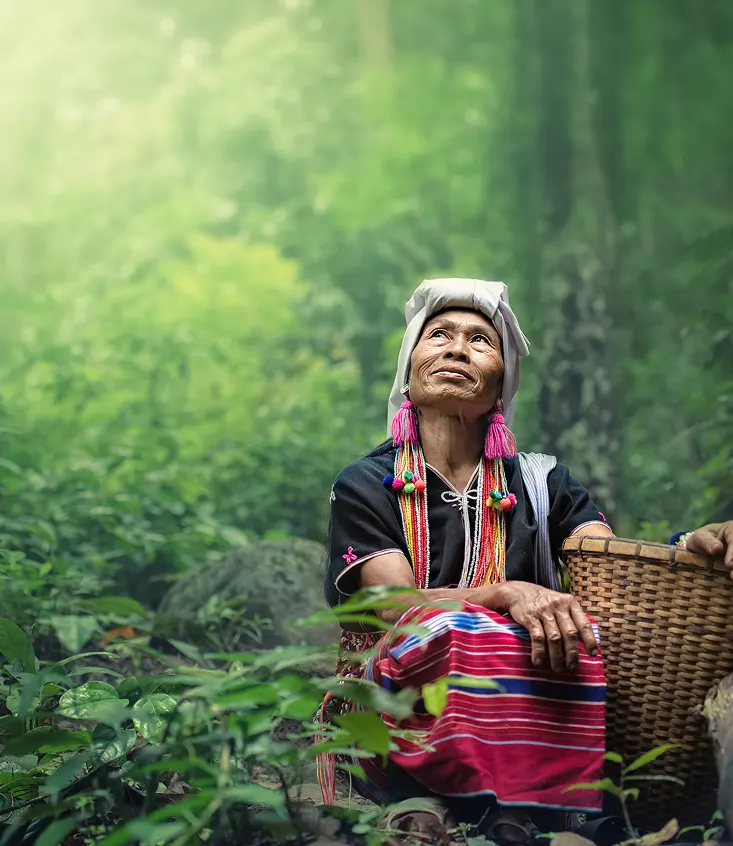
Woman carrying a basket through a tropical jungle.
Colorful tropical bird perched on a tree branch in the jungle.Panoramic view of a large city at dusk.
Large boulders on a tropical beach.
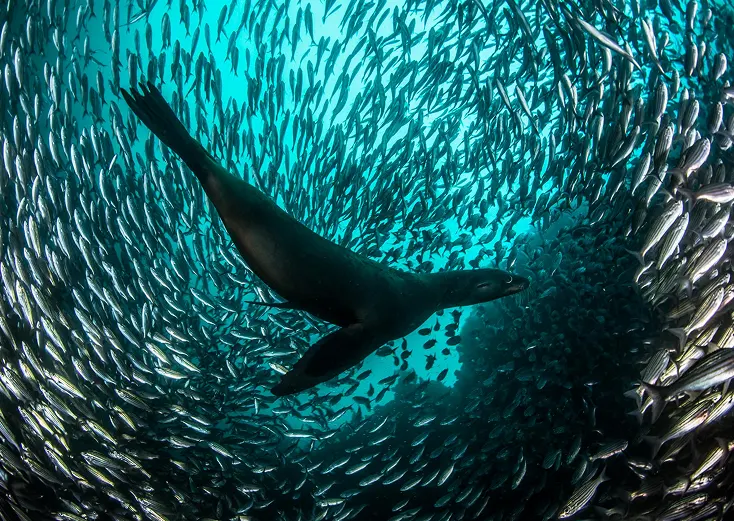
Seal swimming with a school of fish in the background.Tropical butterfly maggot resting on a leaf.
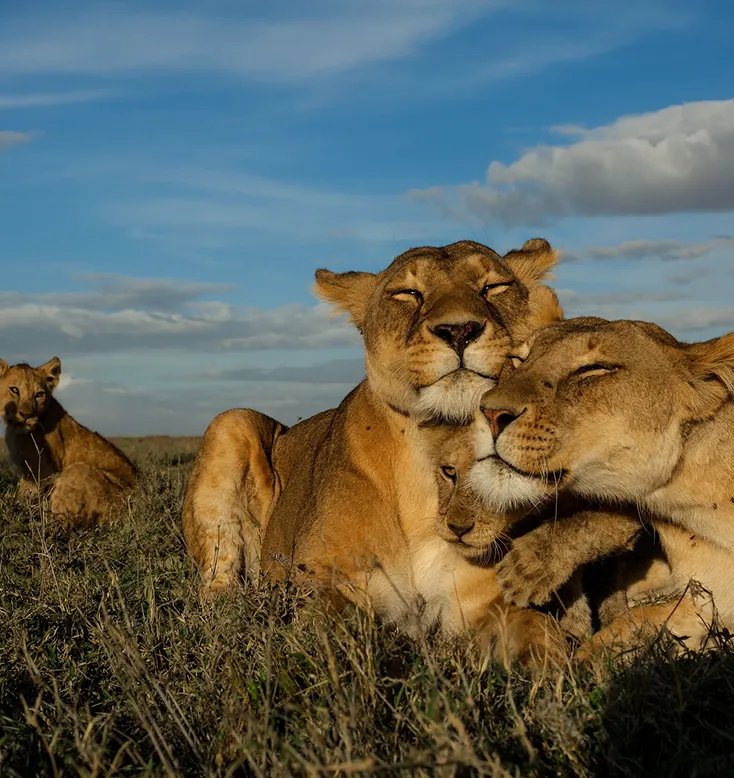
Pride of lions in the wild.

30x30: The Opportunity of a Generation

Never before have nations come together with such unity and ambition for the natural world. The global agreement to protect at least 30% of the world's land and ocean by 2030 was secured in the UN Convention on Biological Diversity Kunming-Montreal Biodiversity Framework in 2022. It represents the highest level of consensus on nature conservation ever achieved. The agreement emphasizes the critical role that Indigenous Peoples and local communities play in conserving biodiversity. Advancing their rights and ensuring their leadership and direct access to finance is critical to achieving 30x30.

We are positioned to turn this agreement into reality, however, ambition alone will not protect ecosystems or secure lasting outcomes for people and planet. We must accelerate the pace of action for national level implementation, increase the delivery of finance for nature, and advance the rights of Indigenous Peoples and local communities for durable impact. With sustained leadership and investment, this moment can become a turning point for nature and future generations.

Pathways to Achieve 30x30:
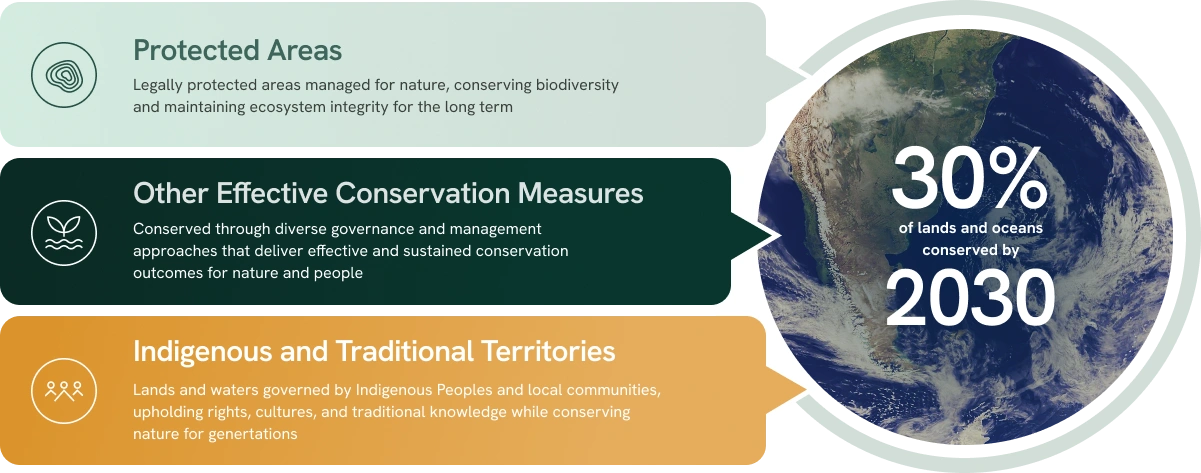
Graph showing pathways to achieve the 30x30 conservation target.

Protected Areas

Legally protected areas managed for nature, conserving biodiversity and maintaining ecosystem integrity for the long term

Other Effective Conservation Measures

Conserved through diverse governance and management approaches that deliver effective and sustained conservation outcomes for nature and people

Indigenous and Traditional Territories

Lands and waters governed by Indigenous Peoples and local communities, upholding rights, cultures, and traditional knowledge while conserving nature for genertations

Why Protecting Nature Matters

Nature underpins the stability of economies, societies, and governments. The degradation of ecosystems creates cascading risks across food systems, health systems, migration, finance, and security sectors. Achieving 30x30 not only protects biodiversity and prevents the extinction of critical species, it is a crucial strategy for:

1

National Security

Stabilizing the natural resources and water supplies that nations depend on to prevent pandemics, conflict and displacement.
2

Economic Stability

55% of global GDP depends on high- functioning biodiversity and ecosystem services.
3

Food Systems

Protecting the pollinators, soil health, and fisheries that feed the world.
4

Carbon Storage and Climate Resilience

Safeguarding the tropical forests, grasslands, kelp beds, mangroves, and other areas that are essential for addressing climate change.
5

Public Health

Healthy ecosystems help reduce the risk of zoonotic disease spillover, improve air and water quality, and support the environmental conditions necessary for human health and well- being.
6

Water Security

Forests, wetlands, glaciers, and watersheds regulate freshwater systems that billions of people, cities, agriculture, and industry rely on every day.
7

Disaster Risk Reduction

Mangroves, coral reefs, forests, floodplains, and coastal ecosystems act as natural infrastructure that reduce the impacts of storms, flooding, drought, erosion, and extreme weather events.
8

Energy Security

Healthy ecosystems support hydropower systems, protect watersheds used for energy production, and reduce climate- related disruptions to energy infrastructure.
9

Urban and Human Resilience

Access to healthy natural systems improves livability, reduces heat stress, supports mental health, and strengthens the resilience of rapidly growing cities.
10

Intergenerational Stability

Protecting nature safeguards the ecological foundation future generations will depend on for economic opportunity, public health, security, and quality of life.

Nature by the Numbers

Value of services provided by nature each year

70%

Portion of total freshwater consumption used for agriculture

6,000

Plant species that have been cultivated for food
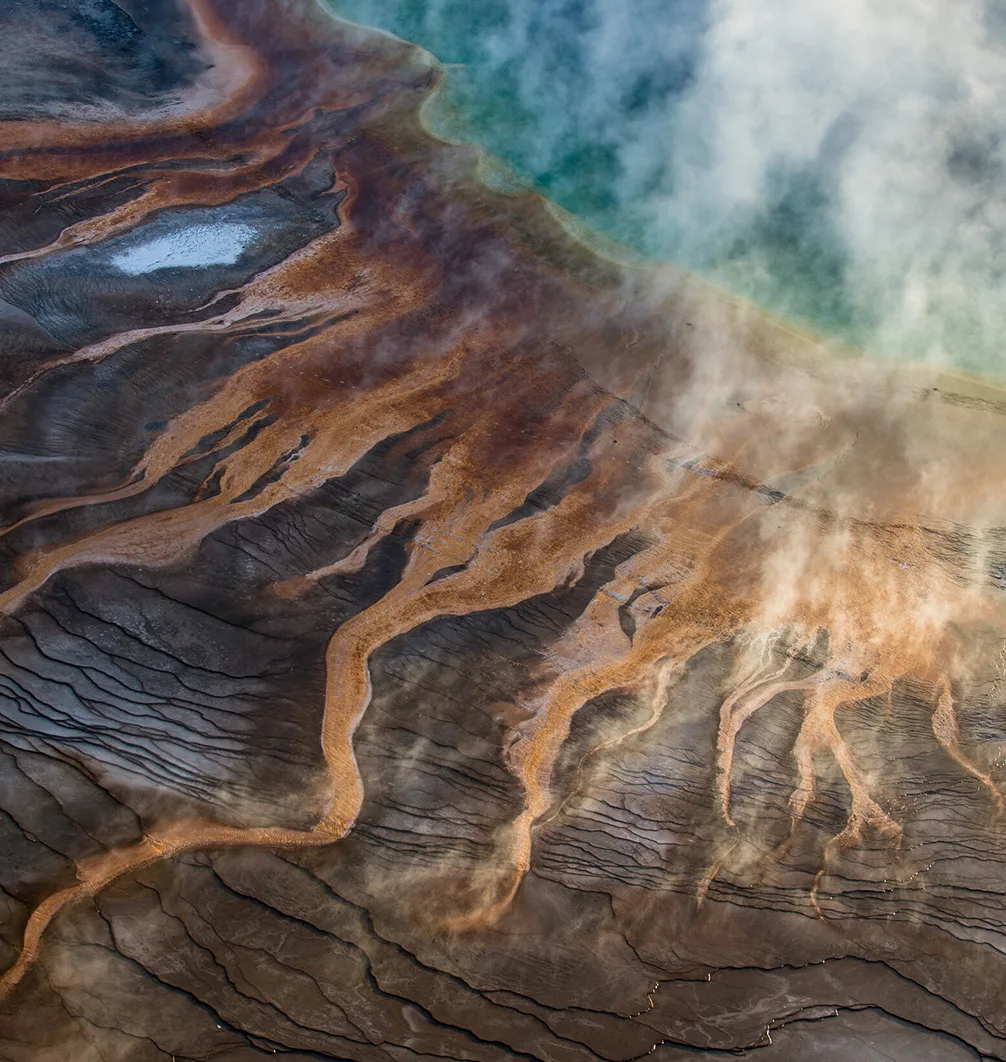
Satellite image of a crater lake.

1/3

Potential contribution of nature to global climate change mitigation efforts

200 Million

People who depend on coral reefs to protect against storm surge and flooding

Carbon dioxide that forests remove from the atmosphere each year (Net)

Wildlife populations that have declined in the last 50 years
"There has been a catastrophic 73% decline in the average size of monitored wildlife populations in just 50 years (1970 - 2020), according to World Wildlife Fund's (WWF) Living Planet Report 2024."

10.9 Million

Hectares of forest lost annually (down from >18M)

"The deforestation rate was estimated at 10.9 million ha per year in 2015 - 2025, down from 13.6 million ha per year in 2000–2015 and 17.6 million hectares per year in 1990 – 2000."
Global fish stocks
classified as overfished
"The report confirms that 64.5 percent of all fishery stocks are exploited within
biologically sustainable levels, with 35.5 percent of stocks classified as overfished."

We've lost 69% of all terrestrial wildlife in the last 50 years

"The terrestrial index includes species from habitats such as forests, deserts and grasslands, and shows a trend of similar magnitude to the global index (69% decline)."

We've lost 90% of big ocean fish in the last century

"Using a meta-analytic approach, we estimate that large predatory fish biomass today is only about 10% of pre- industrial levels."